50 years of Bonar Bridge
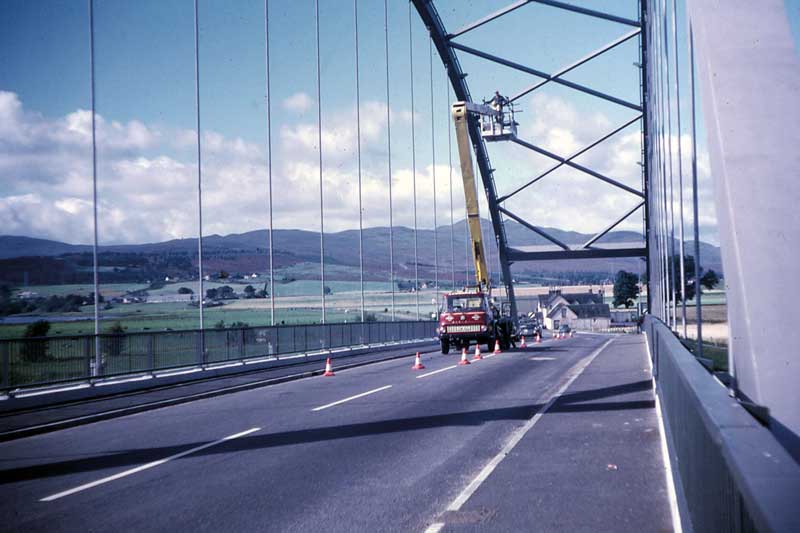
This is the third bridge to be built at this stretch over the Kyle of Sutherland. It was the first of its kind to be built in the UK, took 21 months to build and won the 1974 edition of the prestigious Structural Steel Design Awards (SSDA)
By Silvia Muras
The third Bonar Bridge was built on the then A9 trunk road, over the Kyle of Sutherland, for the Scottish Development Department. The structural engineers were Crouch and Hogg (Glasgow). The main contractor was William Tawse (North Region) Ltd, with structural steelwork by Redpath, Dorman Long (Contracting) Ltd. The contract sum was £405,000.
Initially the arch was thought by some to intrude on the landscape, but its form is now generally recognised as elegant. The bridge opened to traffic in September 1973. It has a span of 104 metres and can accommodate vehicles up to 180 tonnes.
The report on the bridge for the SSDA awards reads: “The specification called for a 7.3m carriageway with a 2m footpath each side, full HB loading and resistance to winds up to 140mph. Many alternatives were considered both in concrete and steel, including multi-span arrangements. However, the overriding factors were the fast flooding tidal waterway subject to severe flooding and the restricted deck depth. The best solution to these problems was a steel bowstring arch which left the waterway clear and required only a small increase in deck depth.”
The competition was sponsored by the British Steel Corporation in conjuction with the British Constructional Steelwork association. The judges comments were: “An elegant major structure which although visible from a distance does not overwhelm its immediate environnment. Clean lines and careful detailing ensure easy maintenance and the formed steel fascia plates give a satisfactory horizontal feature and a tidy appearance. Its structural efficiency is apparent from wherever the bridge is viewed.”
The SSDA awards were initiated in 1969. Some of the more recent recipients of this award are Clyde Arch Bridge (2007), the Olympic Stadium, London (2012) and The Kelpies at Falkirk (2014).
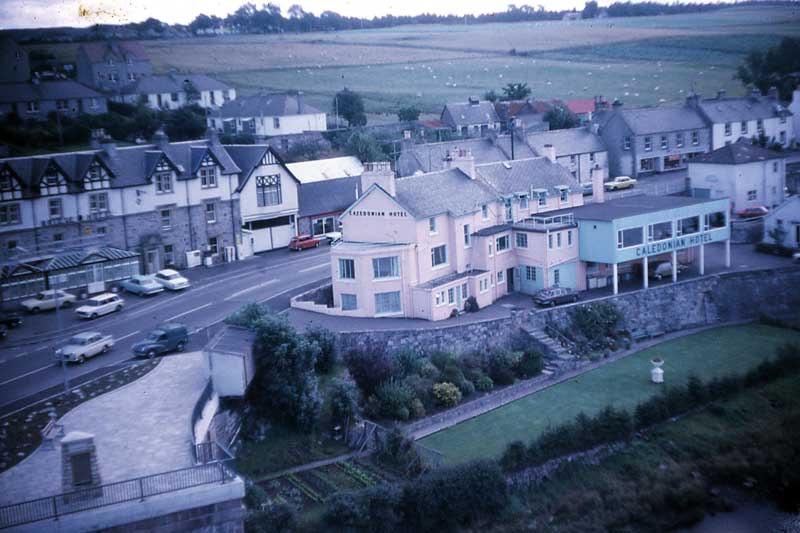
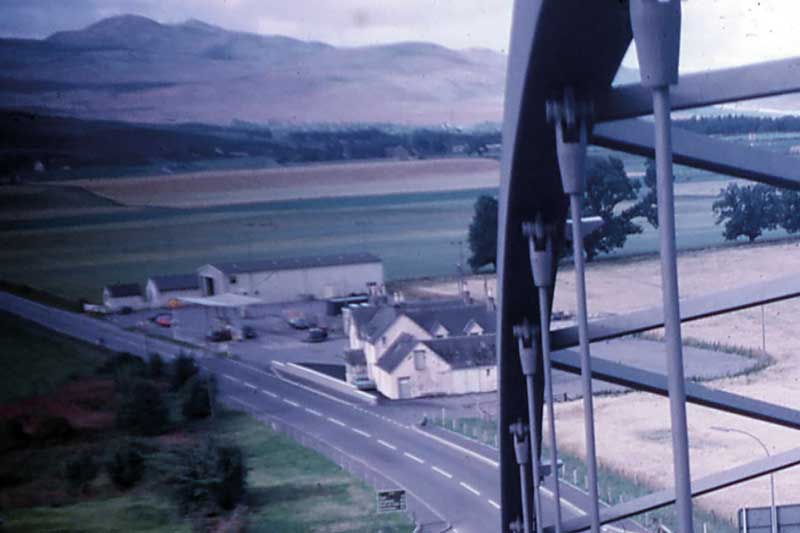
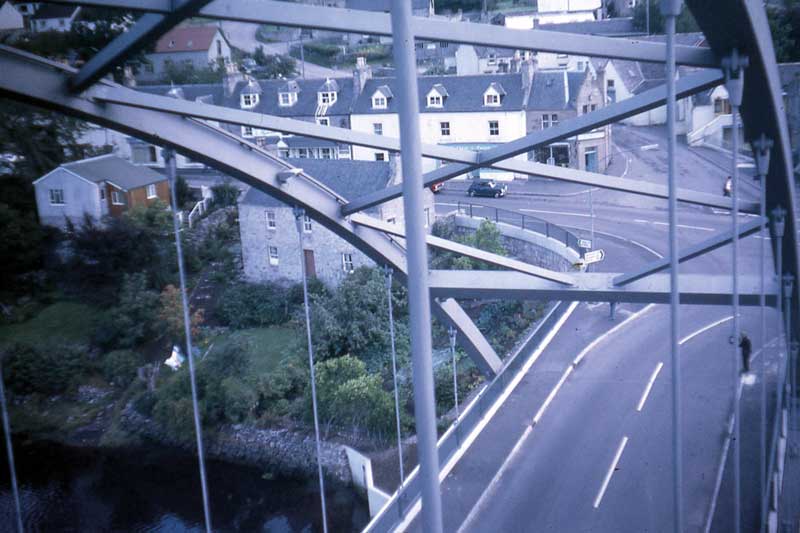
(Left) The Bridge and the Caley hotels in Bonar Bridge. (Centre) Great views from the top of the bridge of the Sutherland Transport, petrol station, and the house known as The Pink House (previously The Ardross Inn). (Right) Bonar Bridge from the top of the bridge. © Ella Mackenzie
The dismantling of the old bridge
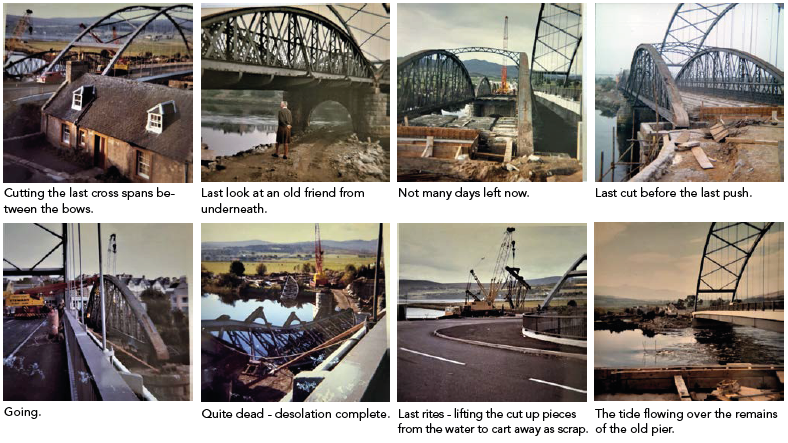
The second bridge was disassembled after the third bridge was finished and operational. Sarah Horne kindly shares this sequence of pictures that document “the death of the bridge.”
The old bridge in the pictures was built in 1893 by Sir William Arrol & Co Ltd, Glasgow. This in turn replaced the earlier Thomas Telford bridge, built in 1812 which collapsed in January 1892 when it was undermined by flood water. By 1973, the victorian bridge had become corroded at its springings and the new bridge was built adjacent to it.