Bonar and Ardgay shops
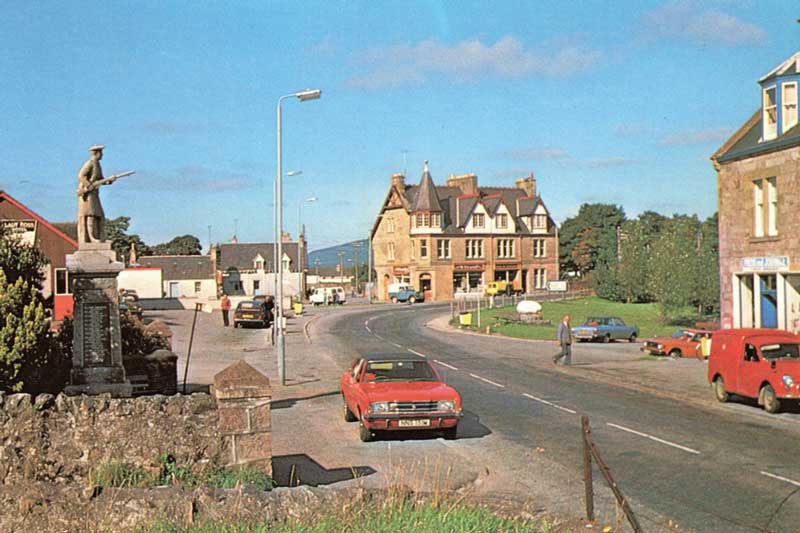
High street businesses thrived during the 1970s and 1980s, with many people commuting through the villages, and others choosing the Kyle of Sutherland as a holiday destination.
By Silvia Muras
At the time, the A9 main road passed over the bridge at Bonar, and business flourished in the Kyle of Sutherland. In Ardgay in 1975 there were at least: a bank, a grocer, the Lady Ross café and pub, a paint shop, a butcher, a paper shop, the post office, and two garages with petrol pumps.
Bonar Bridge had, among others: McCorckle drapers, a paper shop, a drugstore/chemist, the Kyle Bakery, Matheson butcher, Caley Hotel, Bridge Hotel, Bridge Bottle Shop, Jake’s Corner shop, the Chequered Flag restaurant, a butcher, a hairdresser, a laundry, McGregor’s craft shop, Sinclair’s Drapers, a post office, a bank, and the Dunroamin Hotel.
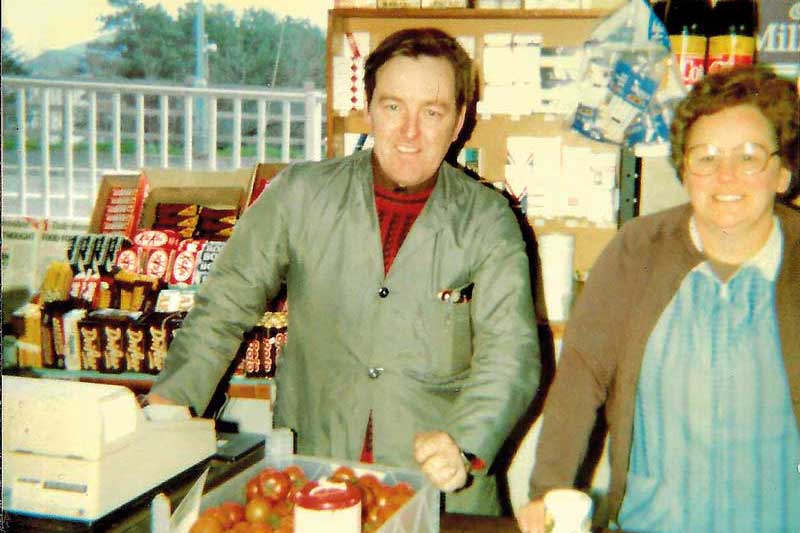
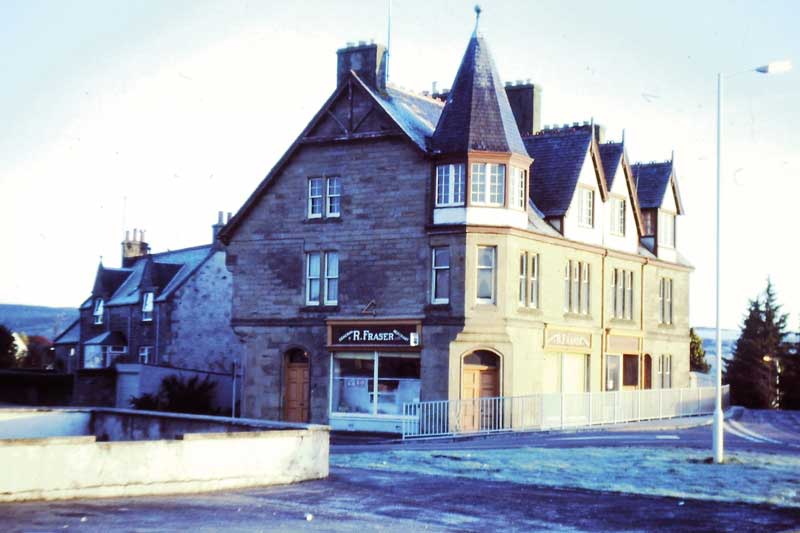
Jack Fraser and his sister Kathleen Macleay in Fraser’s shop in 1980. Outside the shop, Ardgay in 1982. © Donald Brown
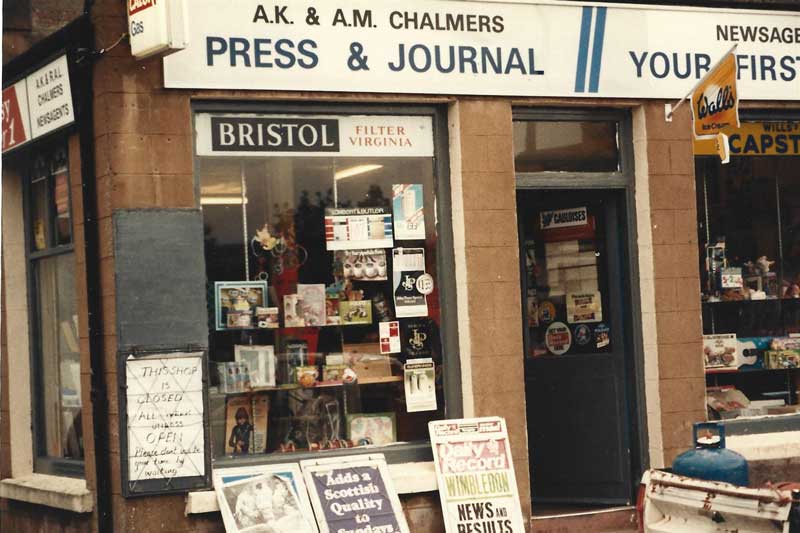
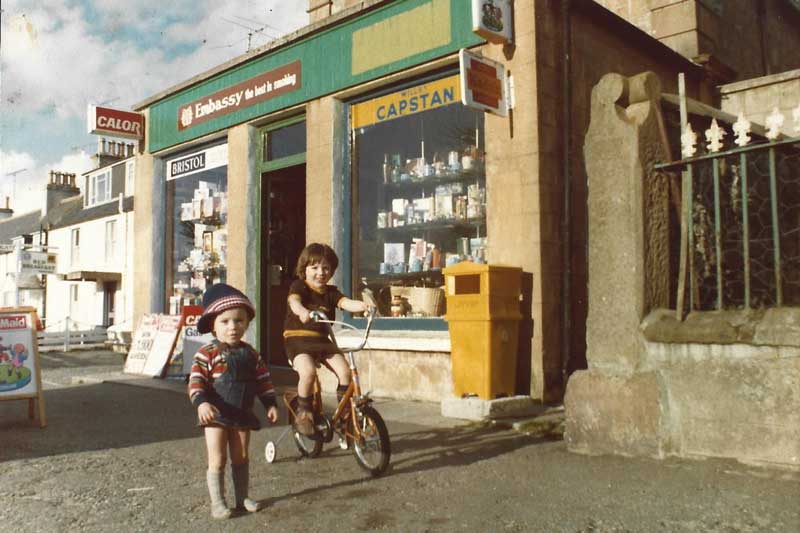
Sandy & Angela Chalmers’ newsagent in Bonar Bridge East End (now Bonar Bridge Pharmacy). Late 1970s. © Angela Chalmers
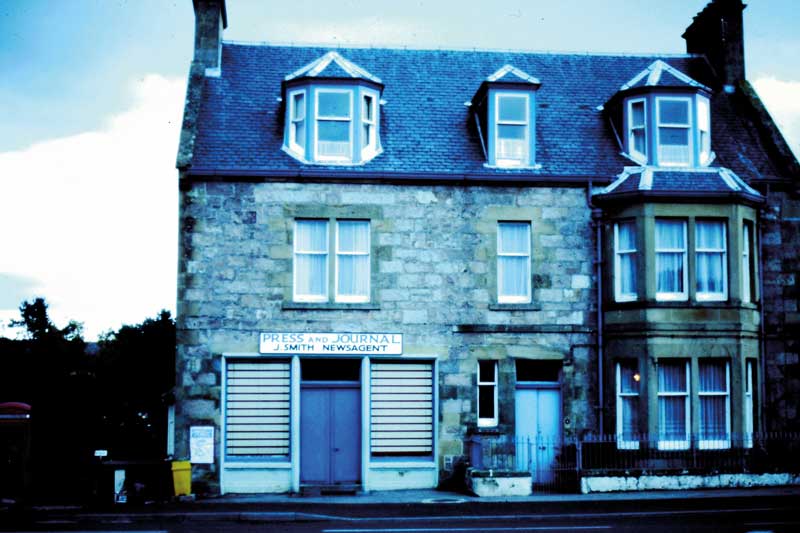
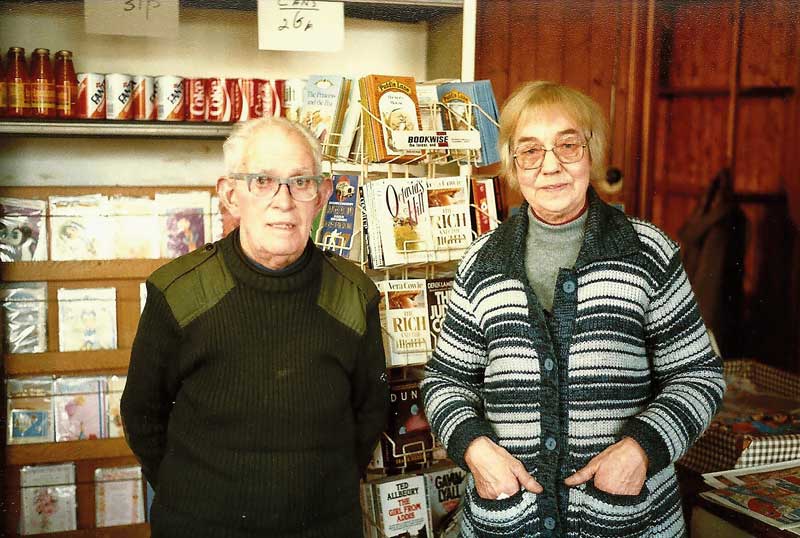
(Left) Paper shop in Ardgay owned by Alec Smith in the early 1980s. (Right) Alec Smith and Nancy Ross (who also worked in the paper shop) retired on 18th January 1986, this photo was taken on their last day. © Donald Brown
Oil boom
This abundance of shops cannot be explained by the A9 alone. The discovery of the Forties oil field in 1970 changed the Cromarty Firth forever, with 5,000 people rushing to find employment there. The urgent need for labour saw crofters, fishermen and shopkeepers become welders, riggers and off-shore technicians through short-term accelerated training courses run by the major employers.
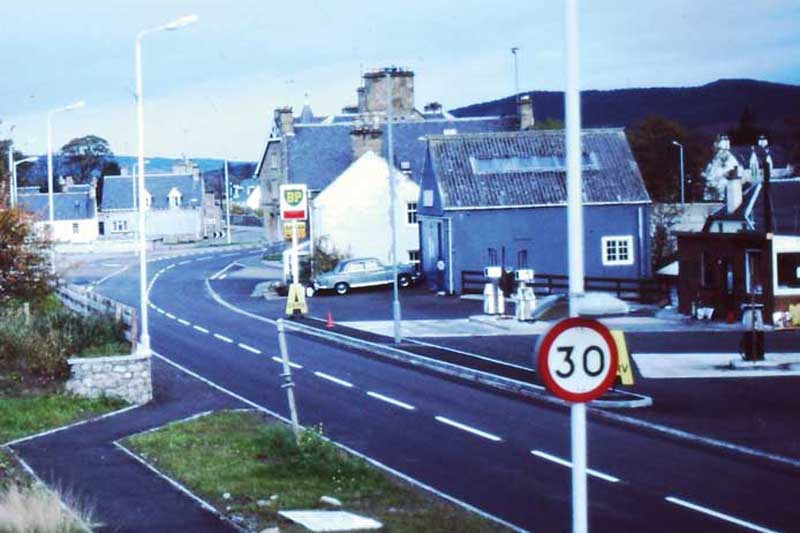
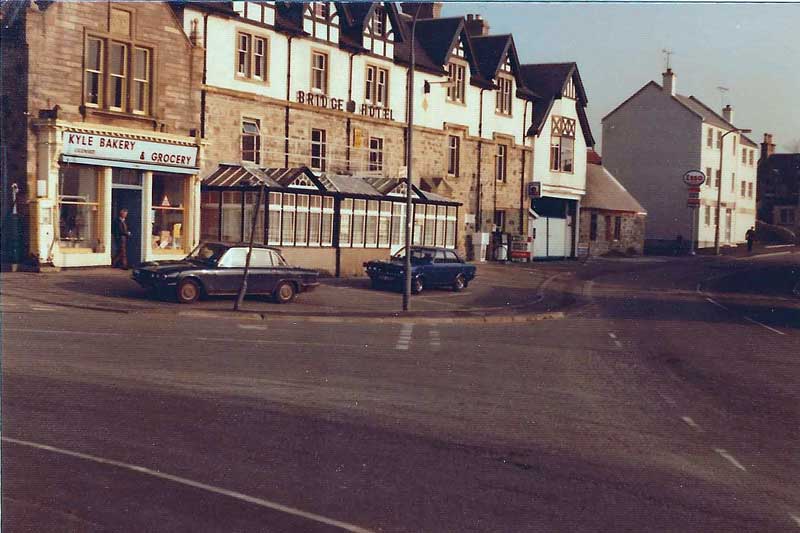
(LeftO Garage and petrol pumps in Ardgay.© Donald Brown (Right) The Kyle Bakery and the Bridge Hotel with a petrol pump on the side. © Philip Taylor
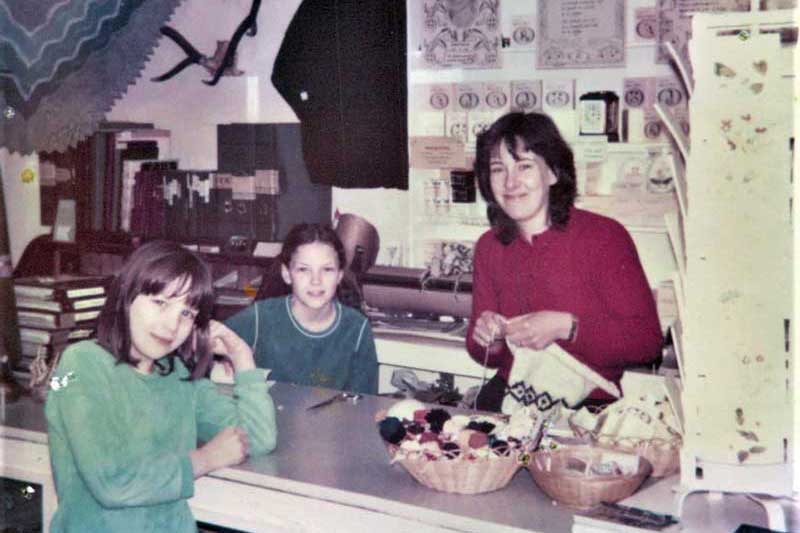
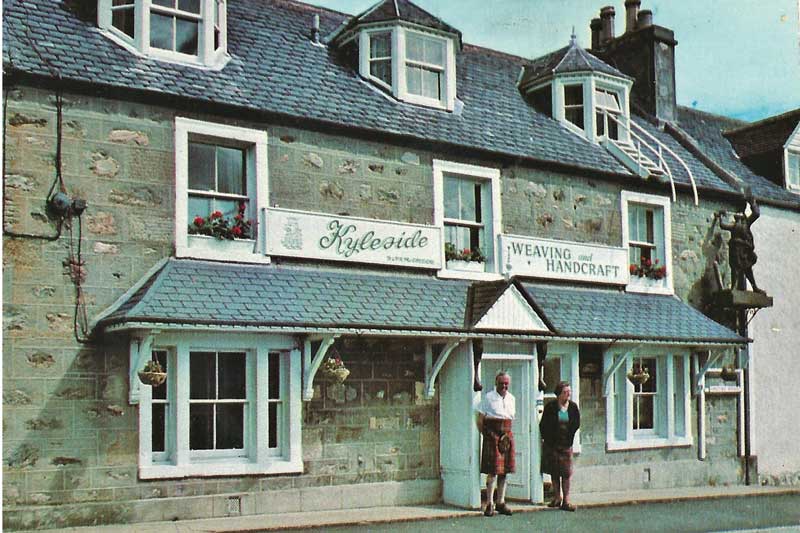
Inside Kyleside Weaving shop in Bonar Bridge. (Right) Dr & Mrs McGregor outside their shop. As well as local staff they employed in the summer students from Glasgow to do the weaving, with local gamekeepers manufacturing the buttons. © Sarah Horne
By 1975, starting in Brora and Golspie, 17 buses passed daily through Ardgay & Bonar Bridge, picking up workers along the way to work in the Nigg oilrig yard. The working patterns fitted well with the demands of crofting, with high wages being invested back in new buildings, fences and ditches, and better stock.
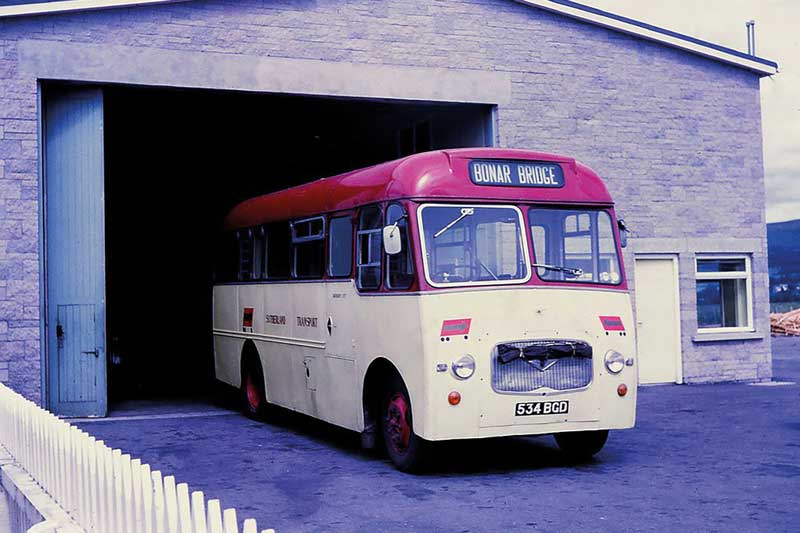
Sutherland Transport had a garage in South Bonar, where Ardgay Game is today. Sutherland Transport & Trading Co started as a horsedrawn mail coach between Lairg and Tongue in 1868. After changing hands a few times, in the late 60s it was purchased by Johnson of Lairg. It had a small fleet of Bedford VAS buses, equipped with large mail areas at the rear, to operate Royal Mail contracts. The company dissolved in 1982.
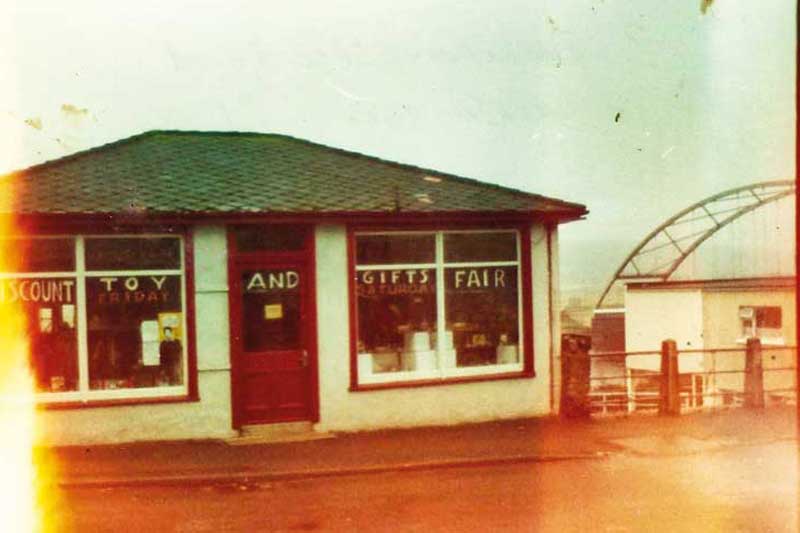
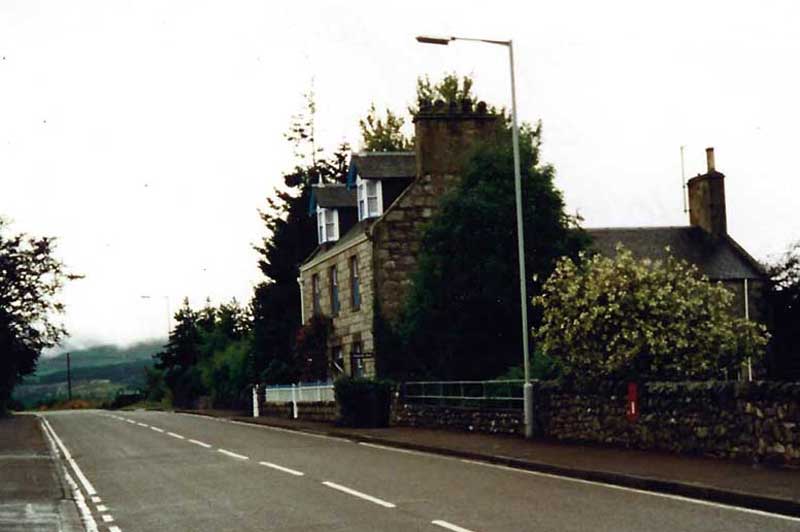
A furniture, second hand & tackle shop in Bonar Bridge, 1980s. (Right) A drapers shop belonging to William McCorkle, Bonar Bridge East End, 1980s. © Angela Chalmers
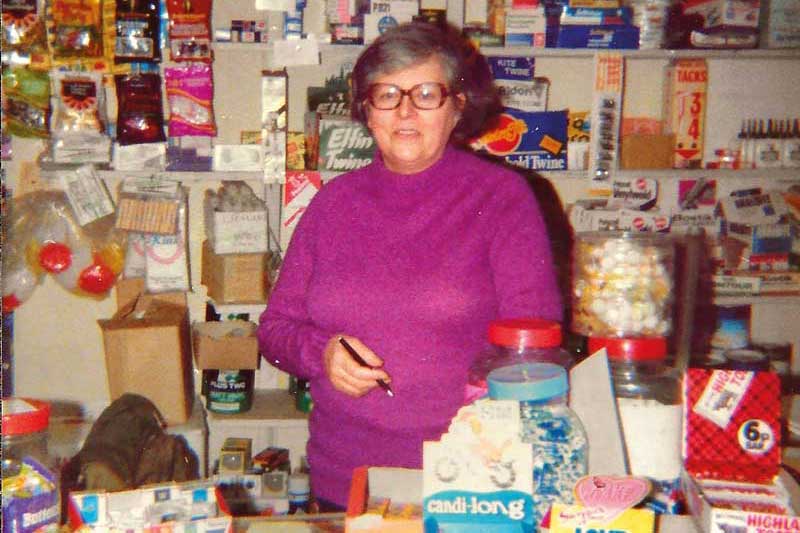
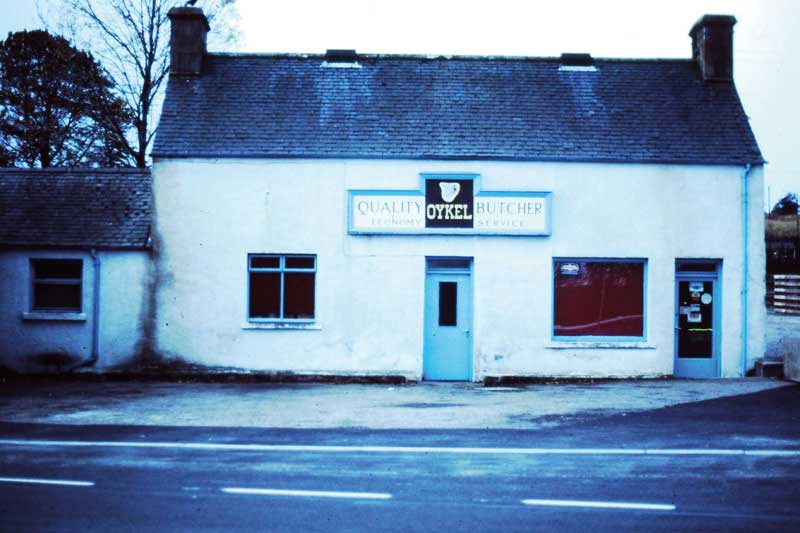
Vera Macdonald in Cameron’s shop, Ardgay, in 1980. The shop was owned by Elsie and Archie Cameron. (Right) The butchers in Ardgay at the time were Charlie and Cathie Johnston.© Donald Brown