Enjoying the outdoors responsibly
In Scotland, you can go onto most land to enjoy the outdoors – as long as you follow the Scottish Outdoor Access Code (www.outdooraccess-scotland.scot). This is known as Scottish access rights and is different to the position in England and Wales.
By Silvia Muras
Scottish access rights apply, for example, to hills and moors, forests and woods, beaches and the coast, rivers and lochs, and some types of farmland. There are also some common-sense exceptions, including houses and gardens, other buildings and their yards, school grounds, sports or playing fields when they are in use (but you can cross a golf course provided you don’t interfere with any games), airfields, railways, telecommunication sites, military installations, quarries and construction sites, land in which crops have been sown or are growing (including hay and silage), and places which charge for entry.
Access rights include things like walking, cycling, climbing, horse-riding, dog walking, kayaking, swimming, painting, photography, enjoying historic sites and watching wildlife. They also include participation in events, such as walking or cycling festivals, hill running races, mountain marathons, mountain biking competitions, long-distance riding events, orienteering events and canoeing competitions.
Access rights do not include things like hunting, shooting and fishing, taking away for commercial purposes anything in or on the land or water (mushrooms, berries, stones...), or access with motor vehicles (motor biking, off-road driving...) You must seek authorisation from the relevant owner.
The Code is based on three key principles and these apply equally to the public and to land managers.
- Respect the interests of other people. Acting with courtesy, consideration and awareness is very important. If you are exercising access rights, make sure that you respect the privacy, safety and livelihoods of those living or working in the outdoors, and the needs of other people enjoying the outdoors. If you are a land manager, respect people’s use of the outdoors and their need for a safe and enjoyable visit.
- Care for the environment. If you are exercising access rights, look after the places you visit and enjoy, and leave the land as you find it. If you are a land manager, help maintain the natural and cultural features which make the outdoors attractive to visit and enjoy.
- Take responsibility for your own actions. If you are exercising access rights, remember that the outdoors cannot be made risk-free and act with care at all times for your own safety and that of others.
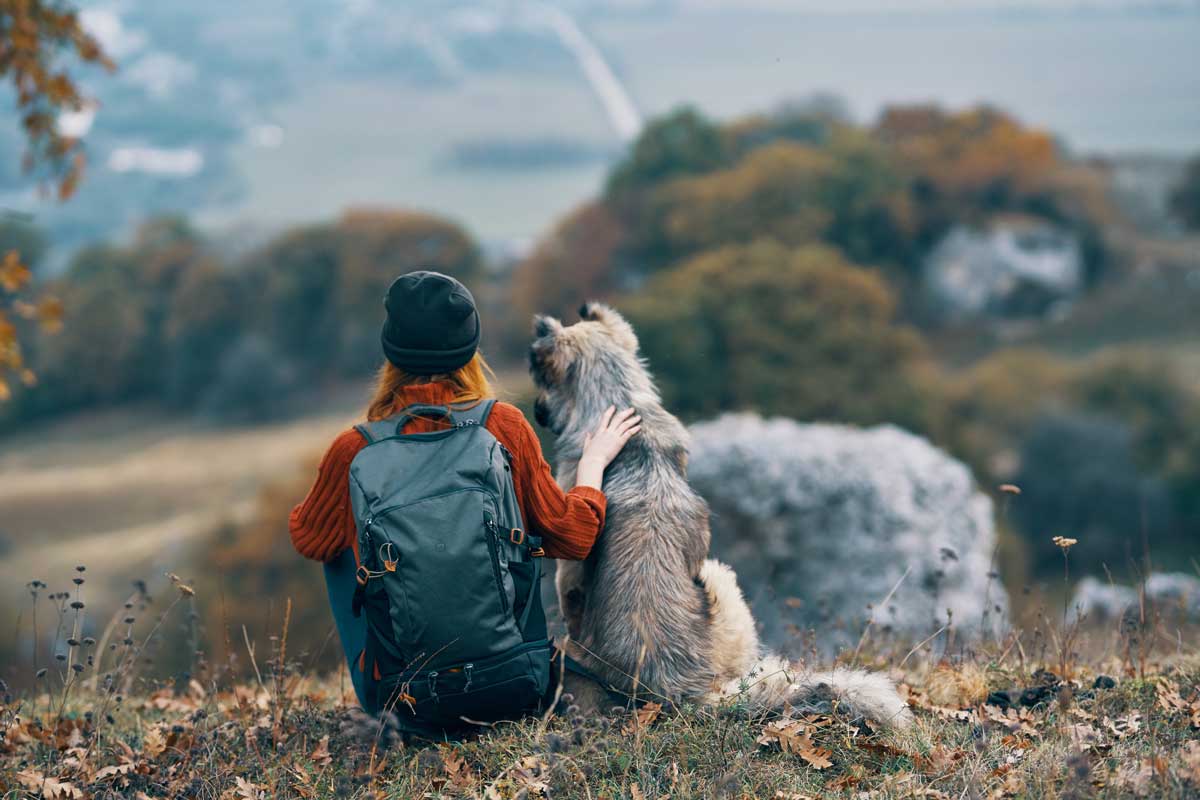
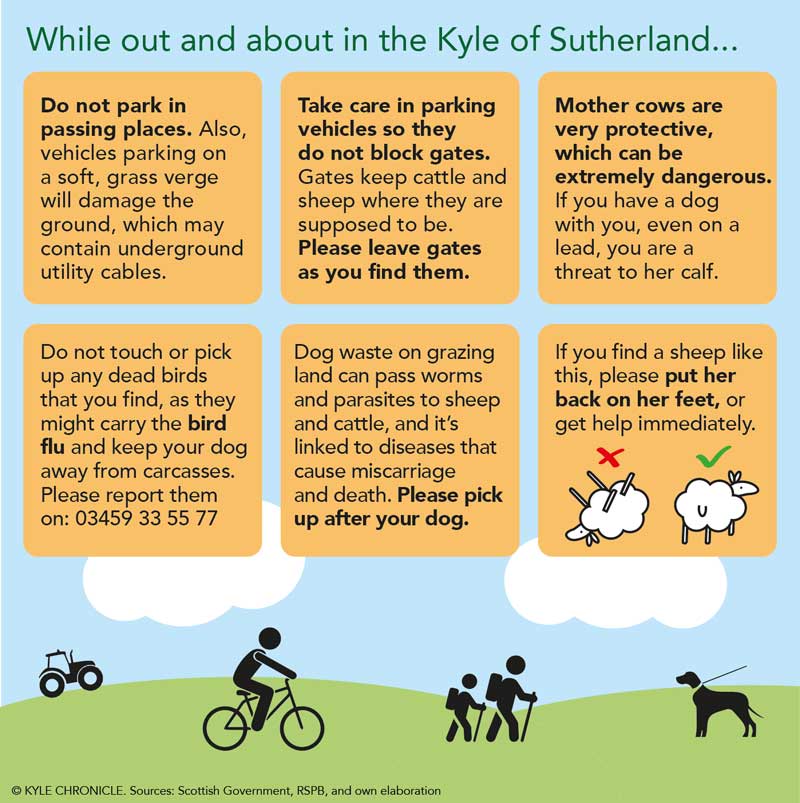
Keep your dog under proper control. You can do this by never letting it worry or attack livestock; never taking it into a field where there are calves or lambs; keeping it on a short lead or under close control in fields where there are farm animals and during the bird breeding season (usually April to July); and picking up and removing any faeces if your dog defecates in a public open place.
core paths In addition, core paths help people to exercise their access rights with confidence. The core paths network has been drawn up by the local access authority, to give the public reasonable access throughout their area. You can find your nearest core paths here
Some of the articles published in the Kyle Chronicle mention scenic or historical sites sites that you are welcome to explore, however remember to always follow the Scottish Outdoor Code if you do so.