How our forebears fought for their heritage
by Russell Smith
In the last edition, we looked at the crofting landscape and the benefits of crofting in the 21st Century. Here we look back at some of the history of how the crofters (our forebears) fought for their heritage - not always successfully but always with spirit. We are the heirs and the beneficiaries of that activism.
Following the collapse of the clan system after Culloden the chiefs turned from being the father of their clan into landlords and looked to introduce sheep farming to boost their income at the expense of their tenants’ livelihood. The tenants fought back. Instigated by the inhabitants of Strathrusdale just across the border in Ross-shire, some 200 men of this area meet at Brae in Strathoykel in 1792, gathered up all the 10,000 sheep in the Kyle and drove them on foot over the Struie where they were met by the Ross-shire men. The combined flocks were then driven south and they got as far as Boath before they were stopped by the military called out by the panicking landlords. The attempt to clear Sutherland and Easter Ross of the “big sheep” failed but you have to be impressed by the organisation and determination.
The outcome of the failure was the Highland Clearances and the best known and documented local stories concern Croick and Glencalvie in 1845. If you haven’t visited the church and seen the inscriptions on the glass - do so and be moved. Some crofters left willingly for a better life, some were forced out unwillingly from the land their ancestors had farmed for generations.
Following the Napier Commission report and the Crofters Act of 1886 crofters got their security of tenure at a fair rent but the struggles weren’t over. In 1893, the crofters of Airdens went on a rent strike. The Sheriff’s Officer was hounded out every time he appeared even when accompanied by police officers. A look out was posted to give the alarm whereupon all the inhabitants turned out. According to the contemporary report in the Ross-Shire Journal “on more than one occasion his speed was accelerated by the application behind of a sturdy boot”. The reporters weren’t impressed with their reception – “the women ... came rushing on cursing swearing and blaspheming like a pack of demonics”. Their cursing included the line “go home you Bonar tories” to some sightseers from the village. This isn’t ancient history, Ken McKinnon of Airdens and Bonar who died recently knew one of the ringleaders who was imprisoned for his part in the battle. But the battle for fair rents was won.
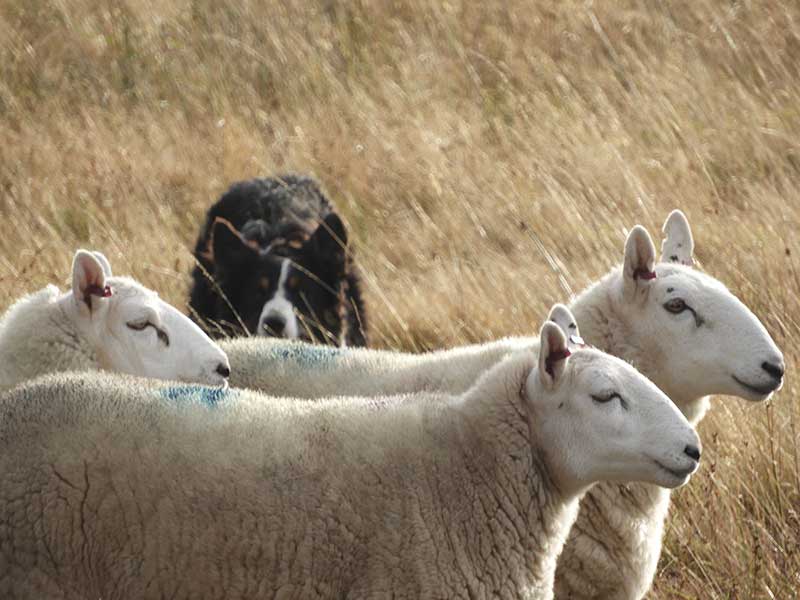
It is ironic that the best loved images of crofting nowadays are the Border collie and the Cheviot sheep – both introduced by the shepherds from the south who our ancestors from 1792 were up in arms against. If you want to know more, don’t miss this article. You can also look at The Kyle of Sutherland - a brief history produced by the Kyle of Sutherland Heritage Society, A Further Peek into the Past by Sarah Horne, and Last of the Free by James Hunter.

Russell Smith is a Scottish Crofting Federation Director and Airdens Crofter