Riverwoods Project
Kyle of Sutherland Fisheries is planting trees to fight climate change
By Sean Robertson
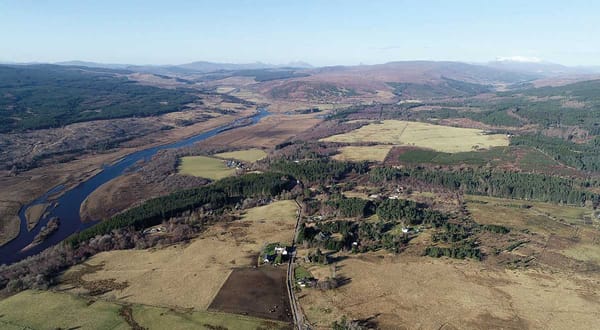
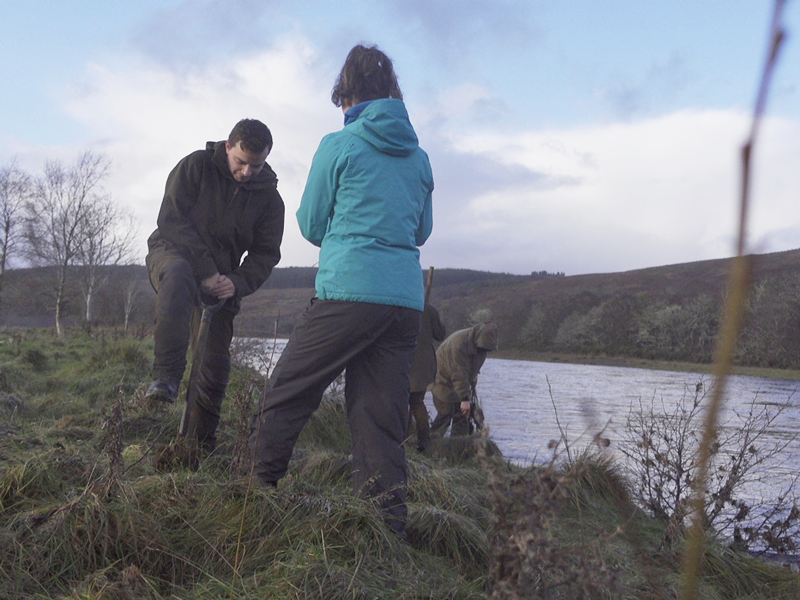
The Kyle of Sutherland Fisheries Trust has previously written about increasing stream temperatures under climate change conditions, and how this poses a threat to aquatic life. One way to remedy the problem is to plant trees along riverbanks, in what’s called the riparian zone. Trees will provide shade in hot summer months, keeping stream temperatures cool.
Woodland creation will provide benefits to a wide range of species, both aquatic and terrestrial. The trees will shade the river, but the leaf litter falling into the river will also provide nutrients for invertebrates, which are then in turn eaten by fish. The roots can help stabilise the river banks and stop them from eroding. Over decades some trees may fall into the river, but this provides good cover for fish to hide in. Perhaps less of a concern up here, but large-scale native tree planting offers a natural solution to manage flood risk. On a catchment scale they slow the water runoff, and this “slowing the flow” prevents all the water from high rainfall events reaching the river at the same time, instead spreading it across a longer period of time. Some of the Kyle district is home to peatland, which is well known as a fantastic carbon sink, storing twice the amount of carbon as the world’s forests. Planting trees on peatland can have negative impacts and cause carbon to be released, so we will avoid doing this and instead aim to restore peatland which has suffered from historical drainage.
When trees grow to their full size they will provide shade, which will help keep the rivers cool during a bright summer day
Well, there’s been some advancement on the issue since our last article. A nationwide initiative called “Riverwoods” has been set up by the Scottish Wildlife Trust, with some project partners such as ourselves supporting the initiative. Rivers in the Kyle catchment will be some of the most vulnerable across Scotland to warming temperatures, so it’s vital that we try and address the problem now. We will soon have a dedicated Climate Resilience & Habitats Officer to lead and coordinate these kinds of projects in the area.
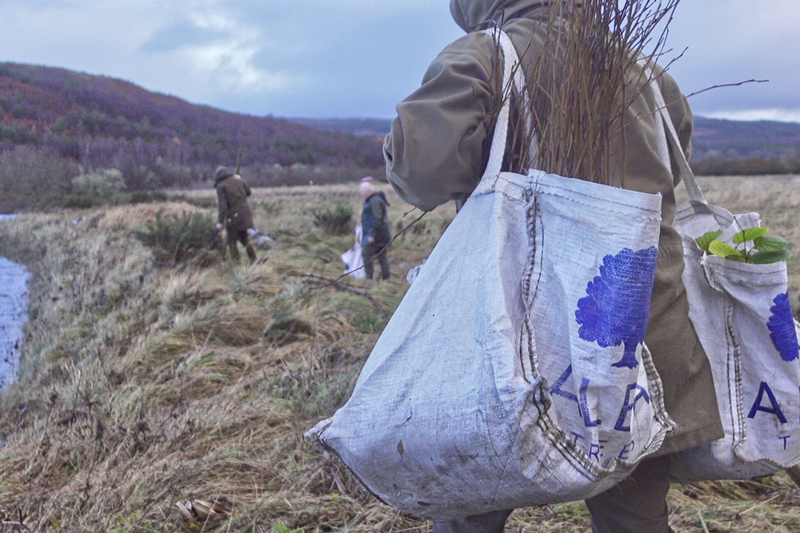
However, we cannot do this work alone. A meeting of various stakeholders was recently hosted by the Development Trust to bring people together to see how we can move forward with action to combat the climate emergency. We will need help from the community, and would love to have volunteers assist us with tree planting and peatland restoration. There may be other opportunities for community involvement – a large amount of trees will be needed, and local provenance is much better, so a community nursery may be a key part of the project going forward. We will be reaching out when discussions are further advanced to gauge interest in initiatives such as this. In the meantime we would encourage anyone who likes these ideas, or has any other thoughts on what we can do to do our part to tackle the climate emergency to get in touch.
Sean Robertson is Kyle of Sutherland Fisheries Science & Mitigation Officer