The Flow Country becomes Scotland’s first fully natural Unesco World Heritage Site
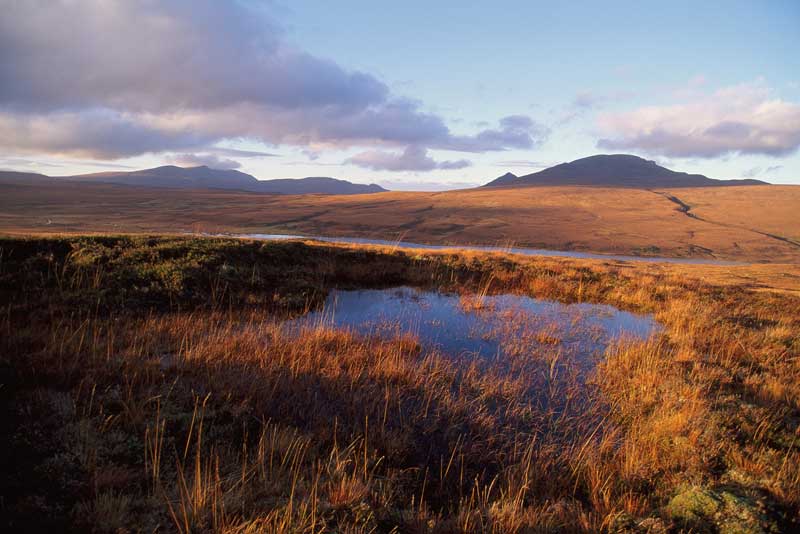
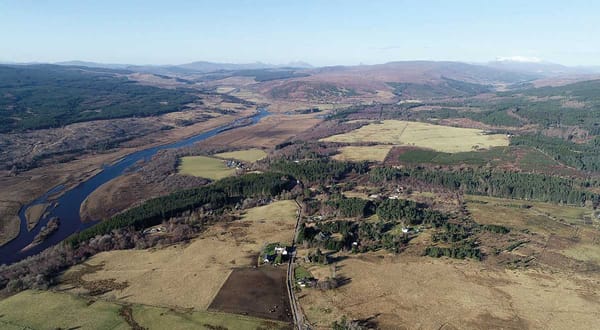
The Flow Country, located in Caithness and Sutherland, is a vast, ecologically significant landscape spanning 4,000 Km2.
By Elizabeth Lunardini
It features Europe’s largest blanket bog, a type of wetland ecosystem that plays a crucial role in global climate regulation by storing around 400 million tonnes of carbon – more than all of the UK’s forests combined. The area supports a rich biodiversity, including rare plant species, sphagnum mosses, and notable wildlife like golden plover, greenshank, and hen harrier.
With this designation, approved by the World Heritage Committee in New Delhi on 26th July, the Flow Country joins the Serengeti, the Galapagos Islands, the Great Barrier Reef, and the Everglades as natural areas gaining World Heritage site status for their incredible ecosystems. It is the world’s only World Heritage Site awarded specifically for its peatlands.
Bid lead for the Flow Country World Heritage Site project and NatureScot Head of Operations for the North of Scotland, Graham Neville, said: “World Heritage Site status will lead to greater understanding of the Flow Country and raise the profile of Scotland’s peatlands globally for their value as biodiverse habitats and important carbon sinks. It is wonderful recognition of the expert stewardship of farmers and crofters in maintaining this incredible ecosystem as a natural legacy for future generations.”
Frances Gunn, Chair of the Flow Country World Heritage Project, said: “the Unesco World Heritage Site inscription has the potential to create a wide spectrum of knock-on opportunities for people living and working in Caithness and Sutherland. Making the most of these, alongside realisation of the Flow Country’s environmental and wellbeing value, is an absolute imperative going forward.”
Jamie Stone, MP for Caithness, Sutherland and Easter Ross said: “This announcement will stimulate great public interest, and I should imagine that tourists and locals alike will be interested to see such a special place. The task for the future is to make sure that the visitor experience is of the highest quality - but at the same time, in no way undermines the long-term viability of such an extraordinarily delicate and important ecosystem.”
Impact of Unesco recognition
World Heritage Site status is expected to bring significant environmental, social, cultural, and economic benefits to northern Scotland, including:
- Economic Development: Attraction of global investment through green finance models, fostering rural development and bringing economic prosperity to local communities.
- Green Jobs: New job opportunities in landscape restoration and conservation, contributing to development in the region.
- Sustainable Tourism: Growth in tourism and hospitality sectors.